Your Cart is Empty




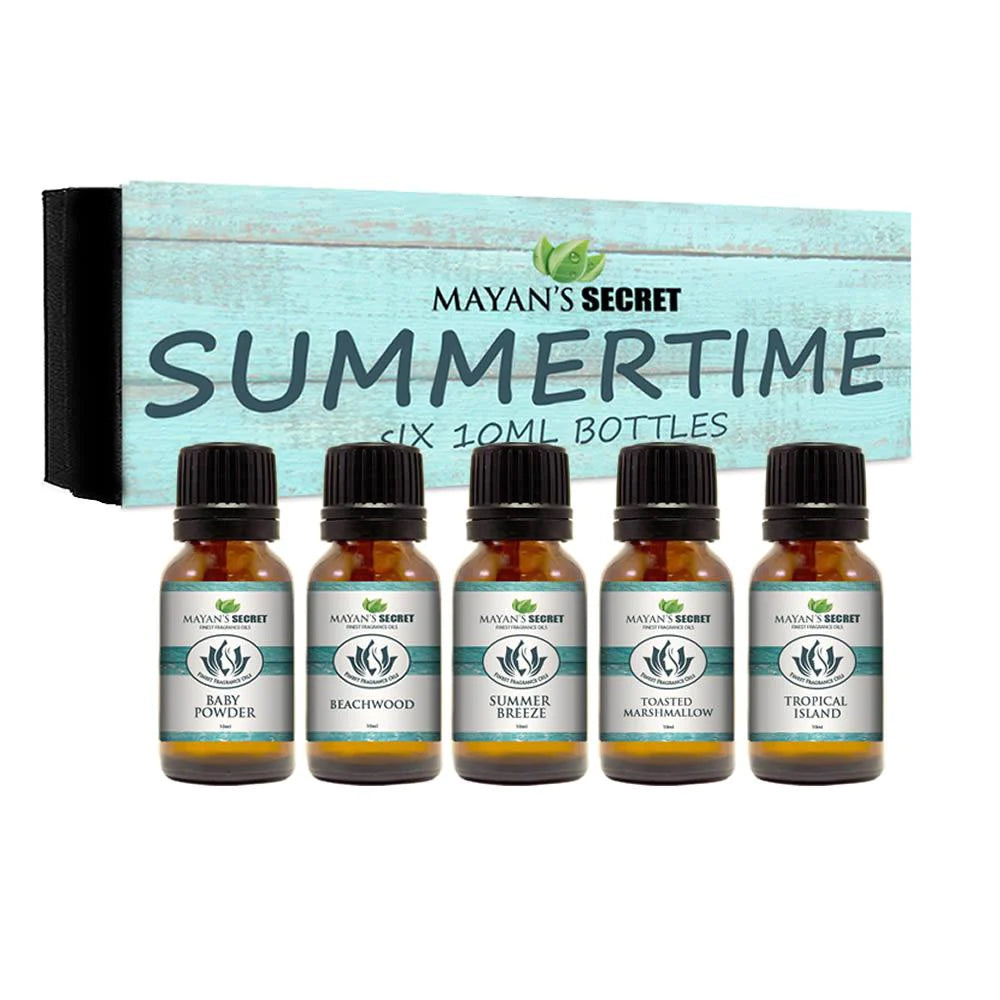


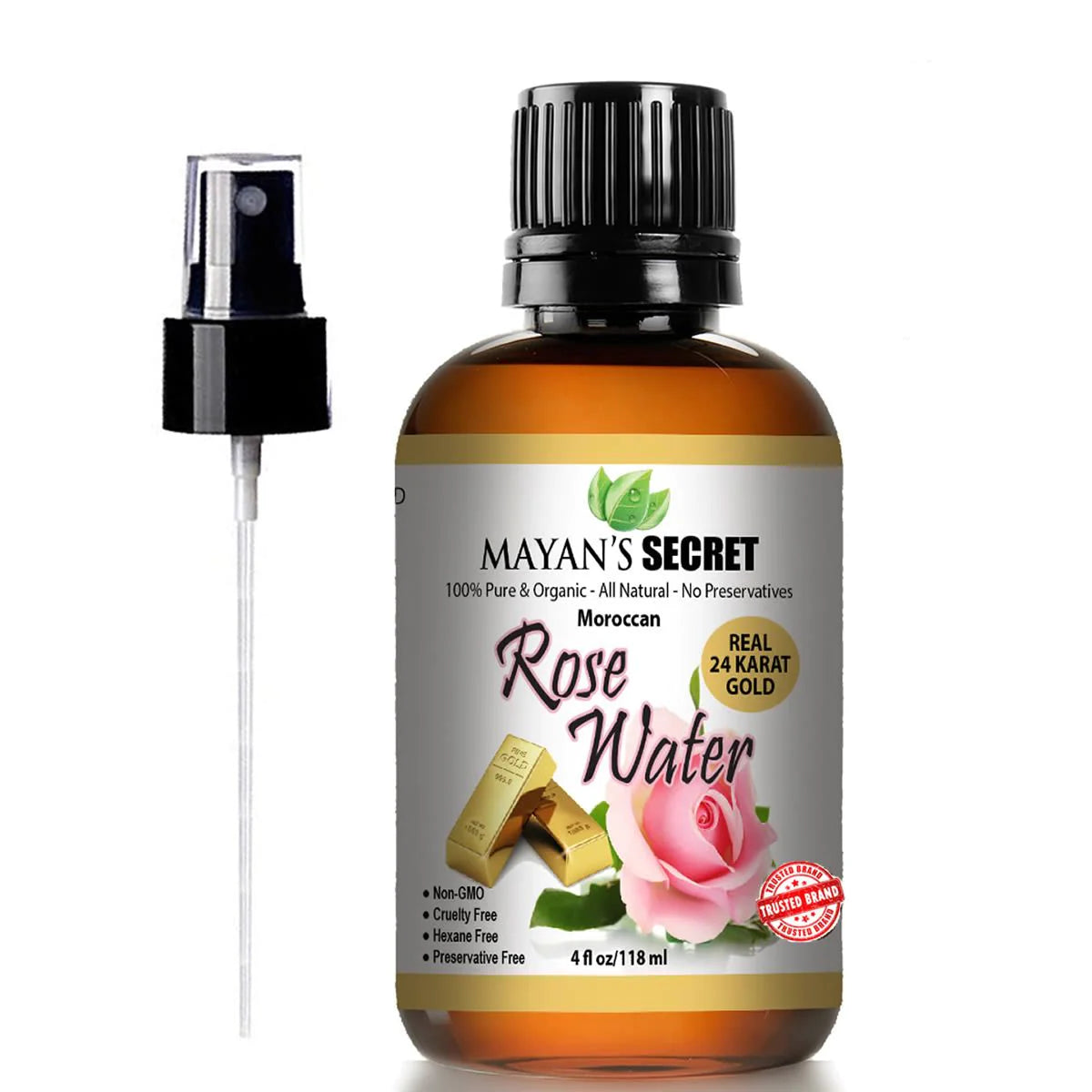




A skincare oil line is one of the most approachable ways to start a beauty brand. Oils are simple products. There is no emulsifying, no complex preservation systems and no lab-scale mixing equipment, and customers already understand them. With a reliable supplier, ready-to-label bottles and a clear brand idea, you can go from concept to your first sale far faster than with creams or serums. This guide walks through the practical steps of launching a private label oil line in 2026: choosing products, sourcing, labeling, compliance basics, pricing and selling.
This article is general business information, not legal or regulatory advice. Cosmetic rules vary by country and state, so check the current requirements for your market or consult a regulatory professional before you launch.
Before you pick a single oil, write one sentence that describes who your line is for and why it is different. Some examples:
That sentence guides every later decision: which oils, which bottle, what the label looks like, and where you sell. A narrow focus is easier to market than a catalogue of thirty unrelated oils.
Most successful oil brands launch with three to six products and expand once they know what sells. A starter range might pair one or two "hero" oils with a couple of supporting products:
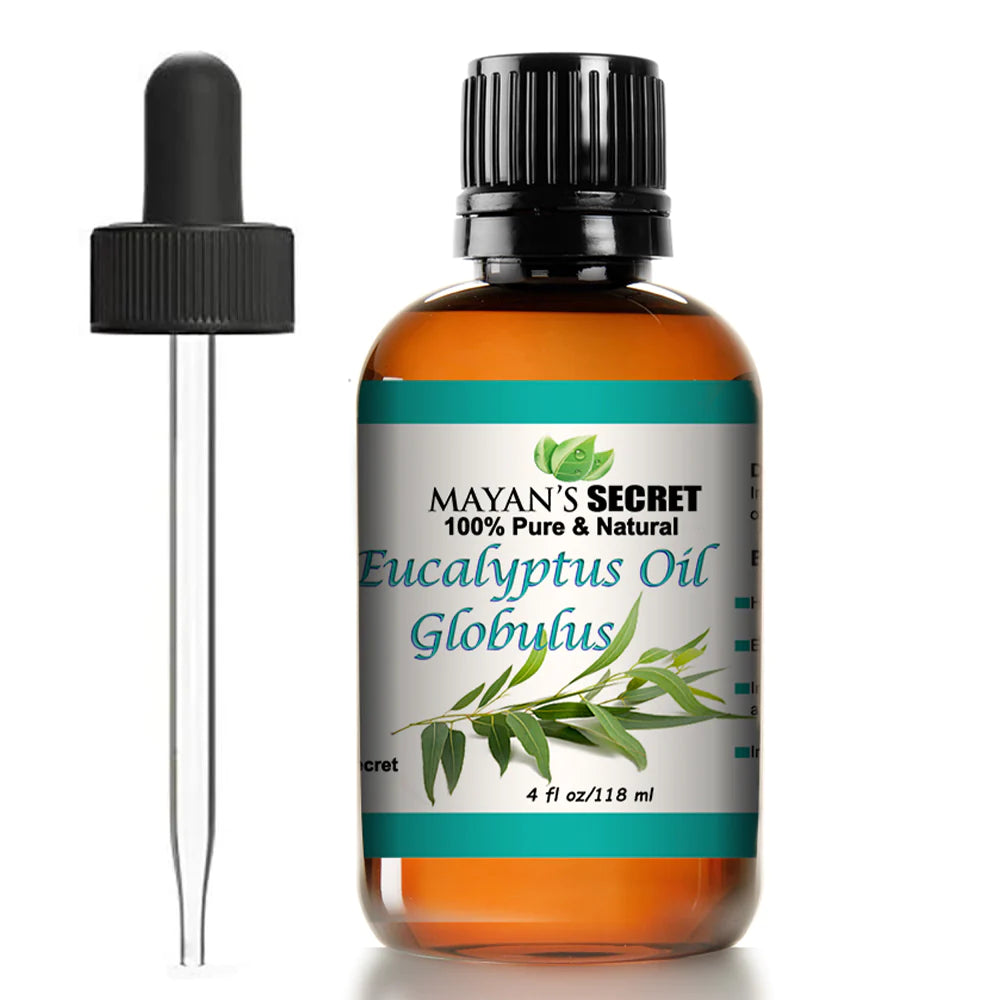
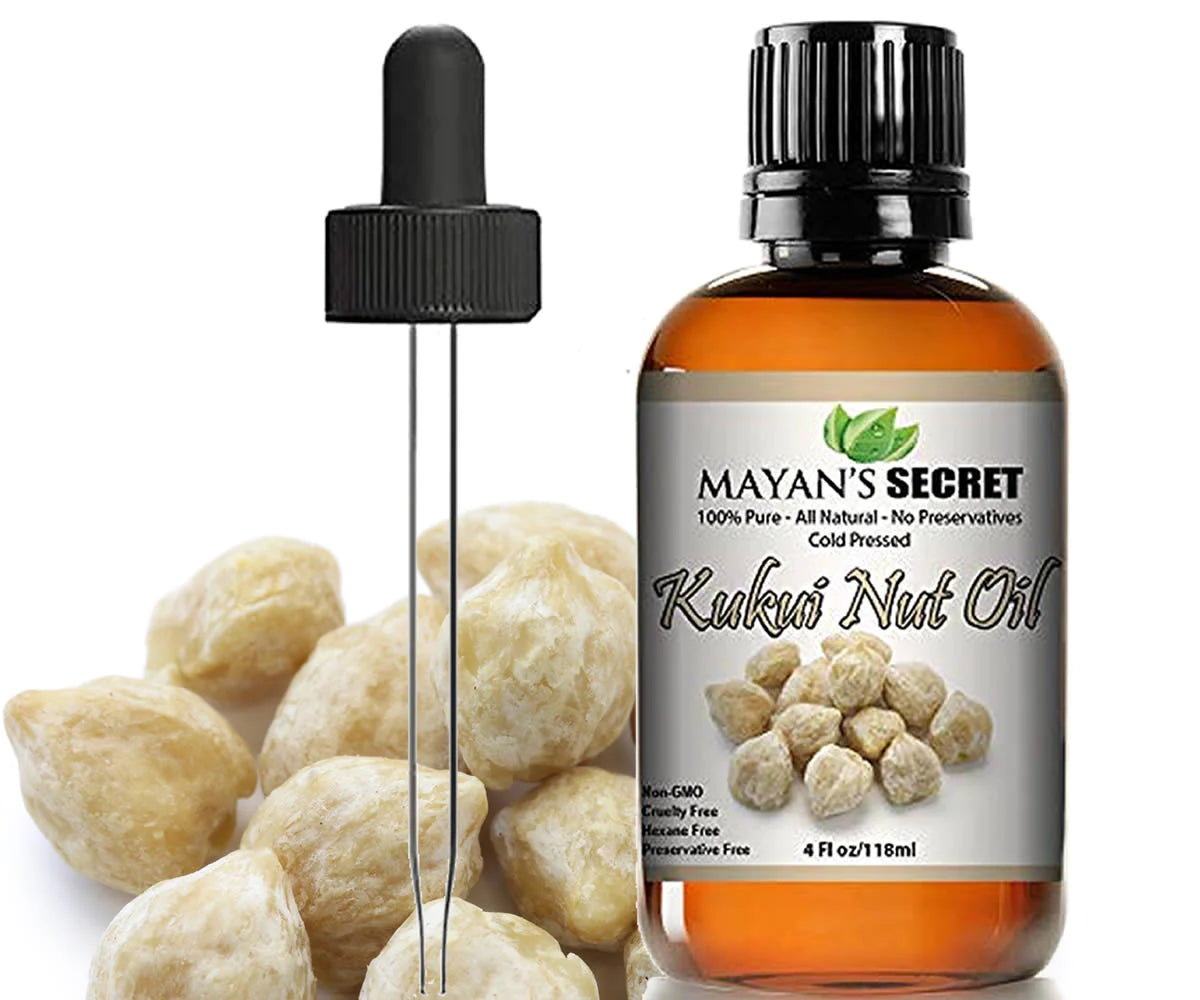
Browse our private label and ready-to-label oils to see what is available. Popular starting points include Ready to Label Organic Argan Oil, Ready to Label Organic Castor Oil and Ready to Label Organic Almond Oil.
There are three common ways to source oils for a private label line:
For a first launch, many founders start with ready-to-label products to validate demand, then move their best sellers to bulk filling once volumes justify it. Details on working with us are on our private label page and our bulk purchasing information page.
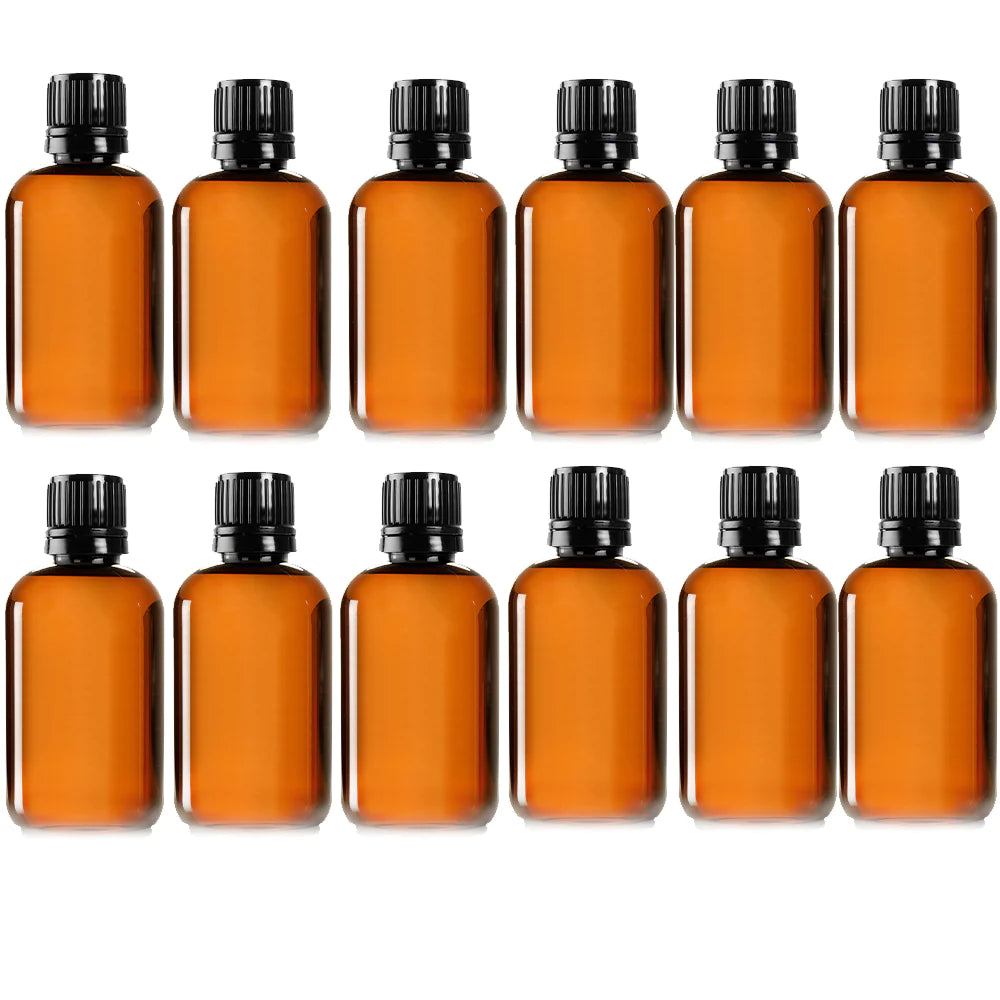
Plant oils are sensitive to light, heat and air. Amber or cobalt glass protects contents from light better than clear glass and looks premium. Our amber glass bottles come in 10 ml, 1 oz and 4 oz sizes. Match the closure to the product:
Order samples and test your full process: fill, cap, label, ship to yourself. Then check for leaks and label wrinkling before you commit to a large order.
Labeling is where many new brands slip up. In the United States, cosmetic labels generally need to include:
The Modernization of Cosmetics Regulation Act (MoCRA) added further obligations for many US cosmetic businesses, including facility registration, product listing, safety substantiation, adverse-event recordkeeping and, for some products, fragrance allergen labeling. Some small businesses are exempt from certain requirements. Check the current FDA guidance for your situation.
How you describe a product matters as much as what is in it. Cosmetic claims are about appearance: "moisturizes," "adds shine," "softens the look of dry skin." Claims that a product treats, cures or prevents a disease, or changes the structure or function of the body, can turn a cosmetic into a drug in the eyes of regulators. Keep your copy focused on how the product looks, feels and smells, and avoid health promises.
If you want to use the word "organic" or the USDA Organic seal on your label, there are specific rules, which can include certification of your own handling. Using certified organic ingredients does not automatically let you call the finished product "certified organic." Check the USDA National Organic Program guidance before printing labels.
A simple way to build a price:
Buying larger case packs or moving to bulk sizes is the most direct way to lower your cost per unit as you grow.
Whatever the channel, content sells oils. Show texture, how many drops to use, and how the product fits into a routine.
Starting a private label oil line is mostly about making good, simple decisions and executing them consistently. Explore our ready-to-label oils or visit our private label page to talk to us about your first order.

Comments will be approved before showing up.
Jojoba, squalane, rosehip, argan and more: how the most popular carrier oils feel, which skin types tend to like them, and how to use and blend a face oil.
How to choose a cold-pressed castor oil and apply it to lashes and brows step by step, plus the safety habits that keep it out of your eyes.


Health Benefits: Himalayan pink salt fine offers a wide range of health benefits, from improving digestion to helping with respiratory issues.