Most common essential oils used by aromatherapists for managing cancer symptoms:
Lavender: used to relieve stress, improve sleep, reduce inflammation, and treat depression
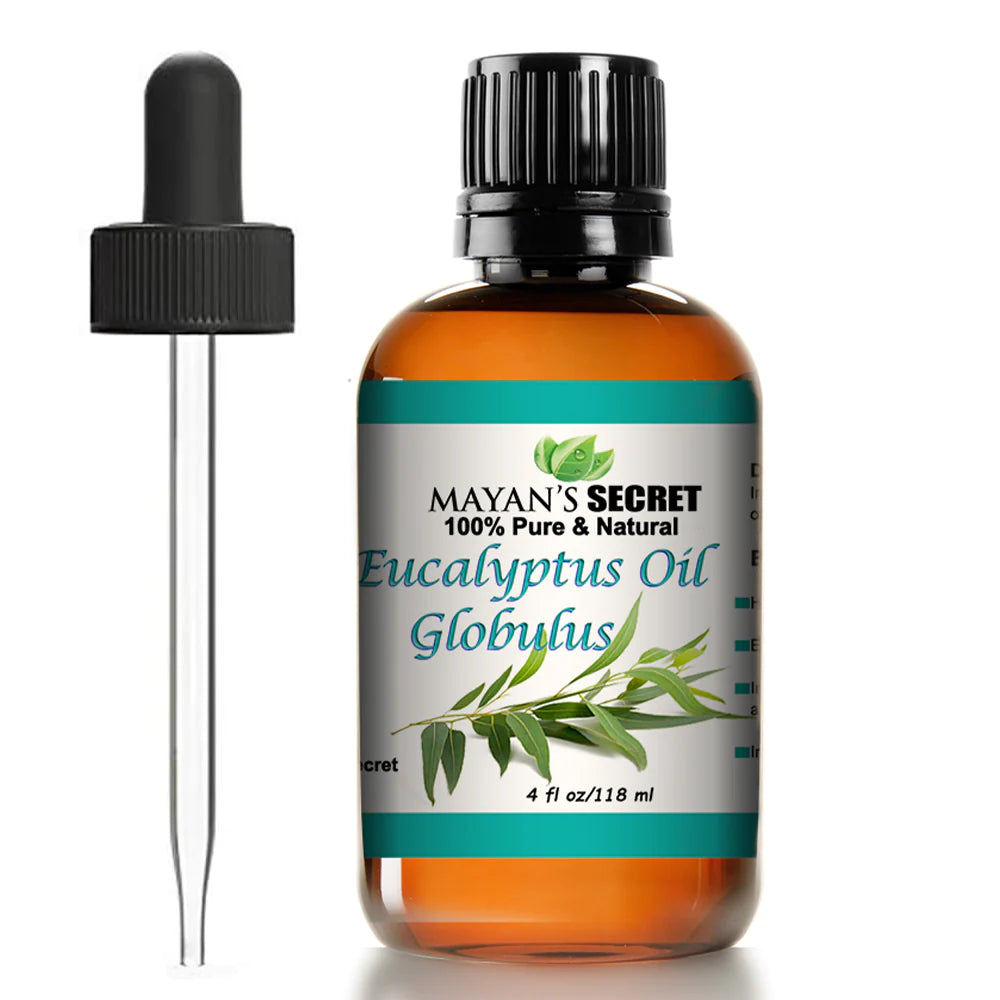
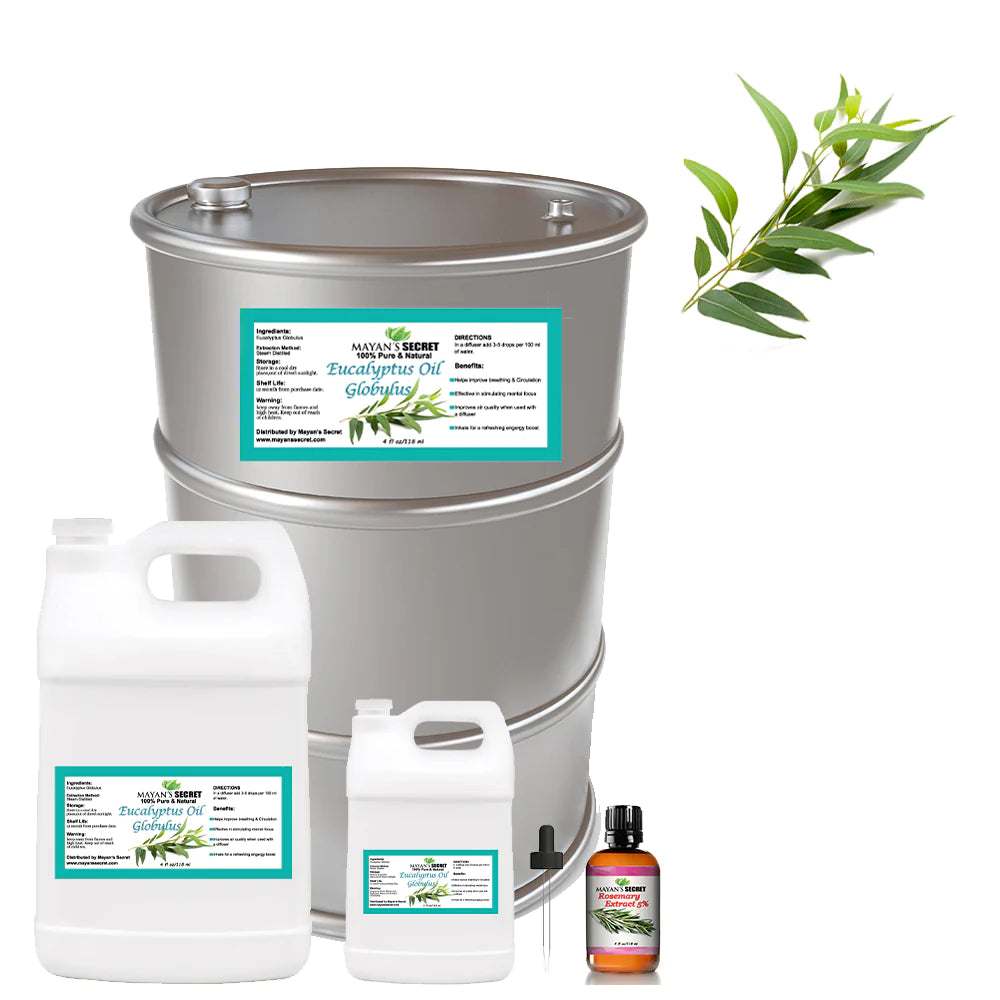
Eucalyptus: used to invigorate, reduce fever, and fight migraines and bacterial infections
Geranium: used to ease anxiety, reduce depression, and promote sleep
Tea tree (Melaleuca): can ease pain, reduce inflammation, and fight bacteria.
Lemon: used to get relief from pain, anxiety, nausea, and vomiting
Chamomile: used to soothe, promote sleep, and support the immune system
Bergamot: used to treat stress, anxiety, depression, and fatigue
Peppermint: used to boost energy, enhance mental alertness, fight fever, and relieve nausea and other digestion issues
Ginger: used to stimulate appetite and help ease nausea, vomiting, and bowel problems
Cedarwood: can promote relaxation and reduce stress
Frankincense: used to reduce inflammation and pain, boost immunity, soothe skin irritations, fight infections, and improve anxiety
For some cancer patients, treatment is a rough road to travel. This is why they often look for additional practices or products that can be used in conjunction with their standard cancer treatment to help manage cancer symptoms and treatment side effects. Treatments such as these are called complementary therapies. While there are many complementary therapies that can help, essential oils seem to have gained the significant attention for their aid in providing relief for cancer patients during treatment.
Essential oils are natural oils (compounds) found in plants. Once extracted, they possess the essence (fragrance) of the plant from which it was extracted. For many generations, essential oils have been used for the improvement of physical, emotional, and spiritual well-being. Aromatherapy is the therapeutic use of these oils.
When aromatherapy is used alongside standard cancer treatments to manage treatment side effects, patients often feel less stress and anxiety, which improves their overall quality of life. Certain oils can also aid in pain management. In many cases, aromatherapy is combined with other complementary treatments, such as acupuncture, yoga, and massage for symptom management. For a cancer patient, this additional support can be beneficial in their healing.
The effects of aromatherapy are theorized to result from the binding of chemical components in the essential oil to receptors in the olfactory bulb, impacting the brain’s emotional center, the limbic system. Topical application or aromatic oils may exert antibacterial, anti-inflammatory, and pain-relieving effects. This simply means that inhaling oils through the nose or applying oils to the skin can fight against harmful bacteria, reduce inflammation or swelling, and provide pain relief.
Each oil has its own specific health benefits, so patients must find the oils that work best for their specific health concerns.
Inhaling oils through the nose or applying oils to the skin can fight against harmful bacteria, reduce inflammation or swelling, and provide pain relief.
How to Use Essential Oils:
Keep in mind that because everyone has a unique body chemistry, oils work differently on an individual basis. For this reason, it may take time before you see an improvement in your symptoms. Once you do find the right oils, however, you can inhale them or use them topically.
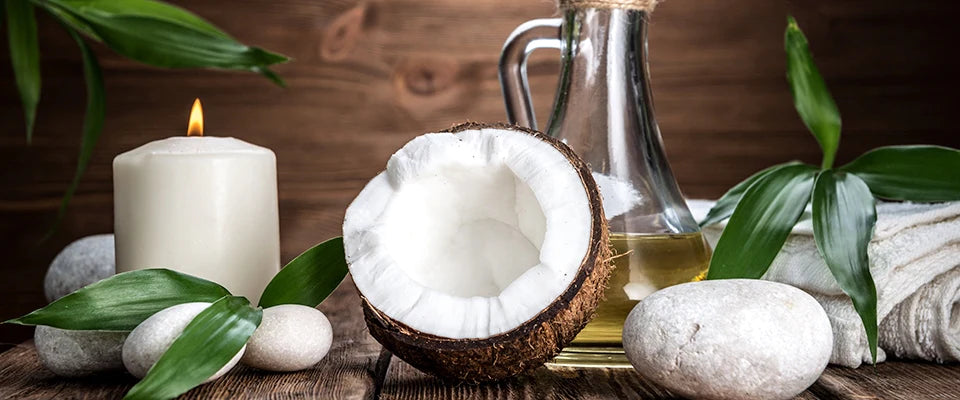
Diffusion is the most popular method for inhaling essential oils. This is done with a home diffuser that distributes essential oil molecules through the air mixed with water. Another way is to inhale directly from the bottle. Topically means that the oils are being directly applied to the skin. It is important to remember that essential oils are highly concentrated and must be diluted with a carrier oil before application. Olive oil and coconut oil are both great carrier oils that can help your body absorb essential oils properly. In addition to rubbing diluted oils onto your skin, they can also be added to a warm bath, to a hot or cold compress, or to a lotion or moisturizer.
In most cases, our oncologists at Arizona Oncology are very supportive of their patients using essential oils as supportive care for their general well-being as they go through cancer treatment.
Because certain oils can interact with chemotherapies and cause other types of problems, it is strongly recommended that patients connect with their oncology provider before using essential oils during their cancer treatment.